

The way customers interact with businesses has dramatically evolved. Today’s customers move fluidly between devices and platforms — messaging on social media, chatting via websites, calling support lines, and emailing for updates — all while expecting a seamless, personalized experience. This growing expectation has made omnichannel support not just a competitive advantage, but a necessity.
In this article, we explore why omnichannel support is rapidly shaping the future of customer service. Unlike multi-channel setups that often operate in silos, omnichannel systems create a unified and consistent experience across every touchpoint. Agents have full visibility of a customer’s history, preferences, and interactions across all channels, enabling faster resolutions, more relevant recommendations, and improved customer satisfaction.
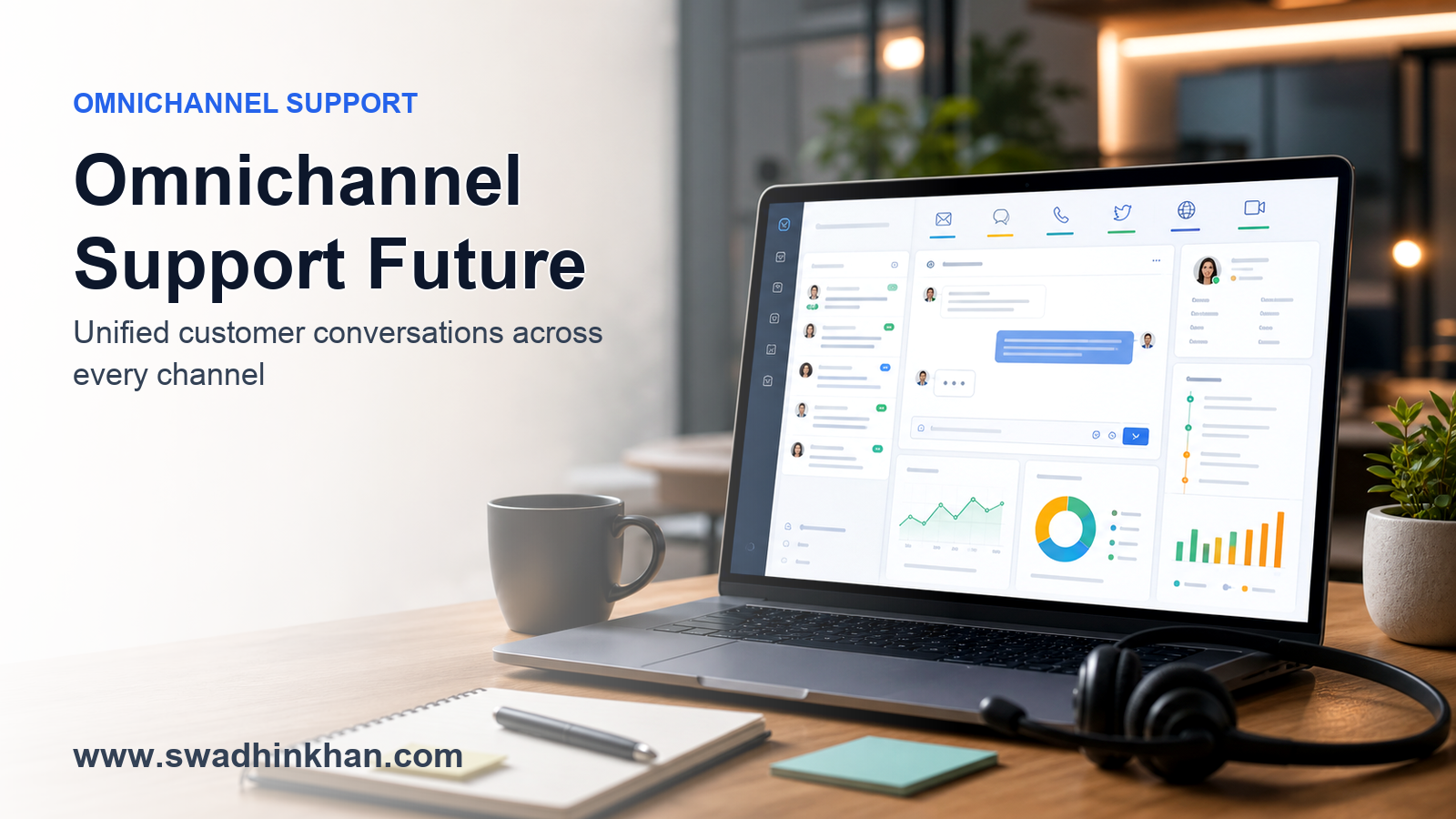
We’ll dive into how omnichannel strategies empower businesses to:
- Improve customer loyalty through personalized, continuous support
- Increase operational efficiency by reducing repetition and context-switching
- Leverage data integration for smarter, proactive service
- Enhance scalability across growing customer bases and global markets
From live chat integration and mobile responsiveness to AI-driven automation and CRM sync, adopting an omnichannel approach future-proofs your support strategy. Businesses that invest in this model are seeing higher retention, improved brand perception, and even increased sales through intelligent cross-channel engagement.
If you’re looking to evolve your support system for long-term success, this guide will show you why omnichannel is the future — and how to get there.
Why Omnichannel Support Improves Customer Experience
Omnichannel support improves customer experience because every channel works from the same context. A customer can start on WhatsApp, continue through live chat, and follow up by email without forcing the agent to rebuild the story from zero.
Connected channels reduce repeated questions
When messages, notes, and order details stay connected, agents can answer faster and customers feel recognized. This is the difference between a support queue that feels fragmented and one that feels personal.
Unified data makes support more proactive
A connected support stack also helps teams identify patterns, escalate urgent cases earlier, and recommend the next best action before the customer has to ask again.
Further reading and useful resources
Omnichannel support becomes more useful when WhatsApp, automation, and sales-oriented support are connected into one customer journey.
- WhatsApp multi-agent support is here
- 10 ways to turn customer support into sales opportunities
- Salesforce overview of omnichannel customer service
- Zendesk omnichannel customer service guide
Why Omnichannel Support Matters Now
Omnichannel support matters because customers move between WhatsApp, live chat, email, and social channels during the same buying journey. A connected support stack helps teams answer faster and keep the conversation consistent.
Omnichannel support: why connected channels win
Omnichannel support helps teams see the full customer conversation instead of jumping between disconnected tools.
First, it keeps context in one place. Next, it reduces repeated questions. Finally, it helps customers get answers through the channel they already use.
How to use this guide
Use this section as a fast review before you compare tools, update a workflow, or share the article with your team. It keeps the main keyword clear while making the post easier to scan.
You may also read
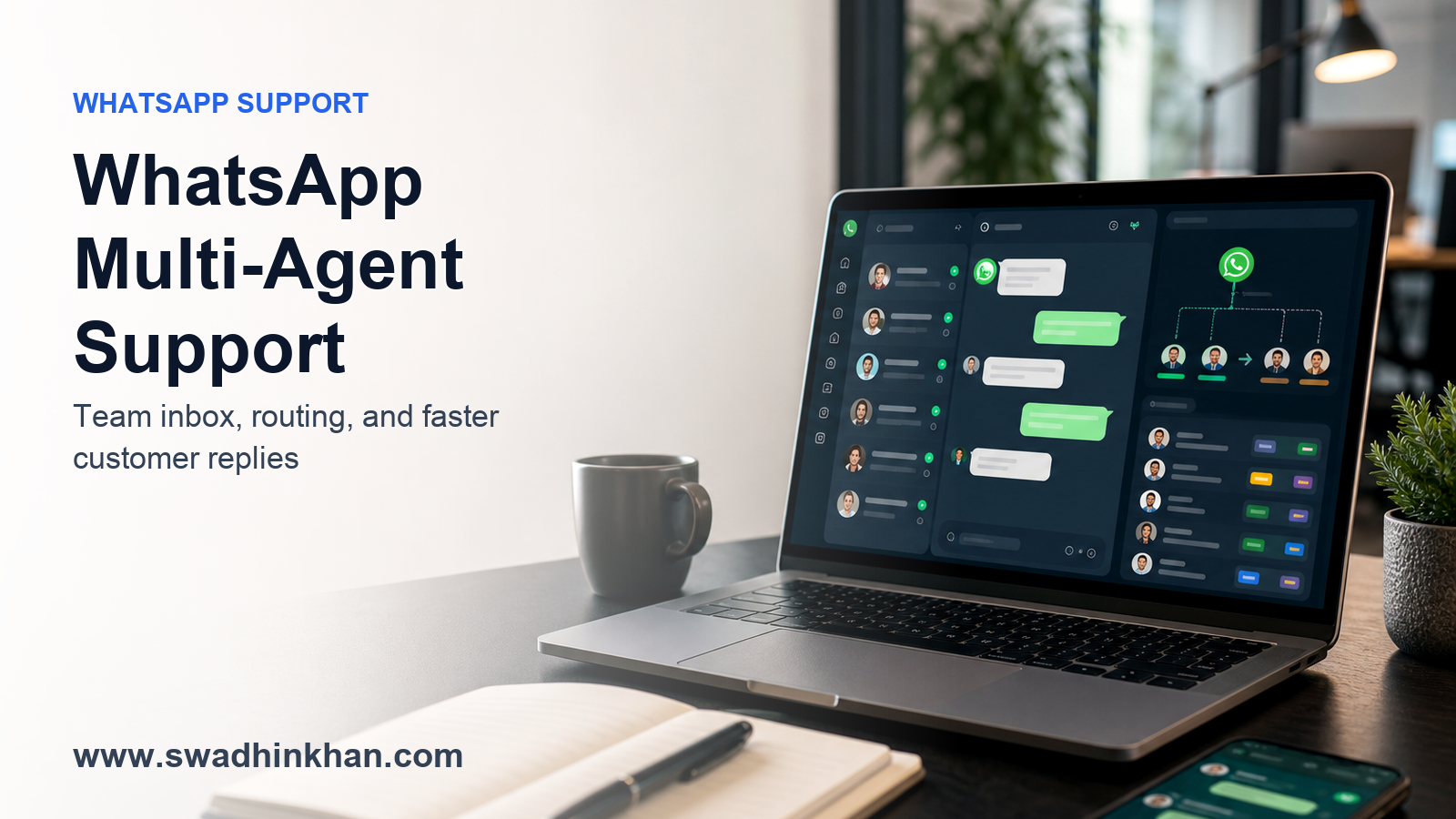
New Feature: WhatsApp Multi-Agent Support is Here!
WhatsApp multi-agent support lets multiple agents handle one official number, route chats clearly, and improve customer service speed.