

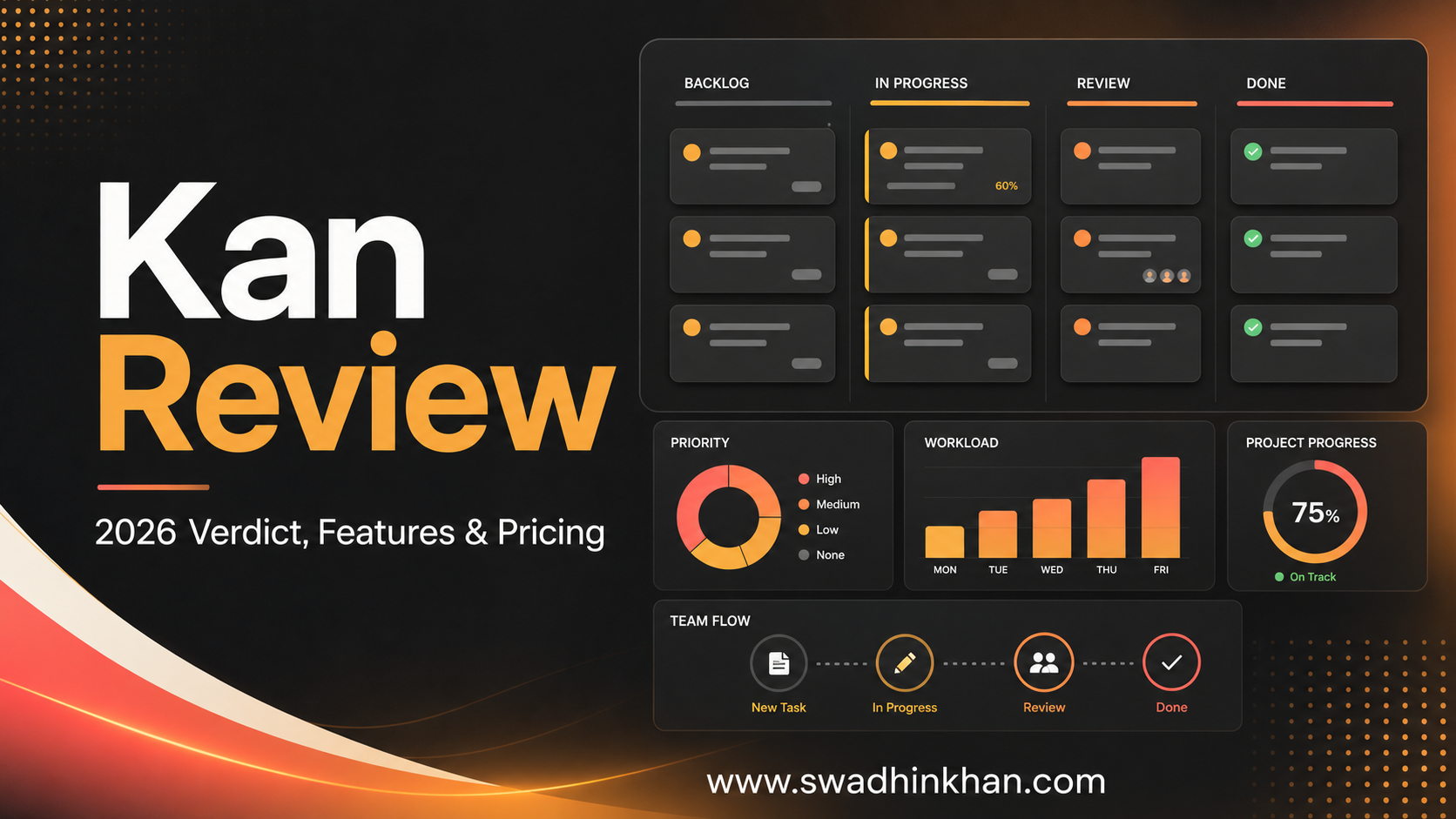
This Kan review looks at its kanban boards, task management, team workflow, pricing, limitations, and whether it is a sensible project-management buy in 2026.
A clean, fast way to publish product updates, capture feedback, and ship with focus.
If you ship features but users miss them, you lose momentum. I’ve been there. You post in Slack, send an email, and hope it lands. It rarely does. Tools like Kan fix this by giving you a branded changelog, an in-app updates widget, and a simple feedback loop that keeps customers in the know. In this Kan review, I break down what works, what can improve, and whether the AppSumo lifetime deal is worth it for product teams, SaaS founders, and indie makers who want clear product updates without bloat.

What is Kan?
Kan is a lightweight product updates and changelog platform designed to help you share releases, improvements, and fixes in one place. It lets you publish updates to a hosted page, embed an in-app widget, collect feedback, and send email digests to subscribers. In simple terms, Kan centralizes your “What’s new” page and makes it easy for users to see progress and engage.

My Personal Experience & In-Depth Walkthrough:
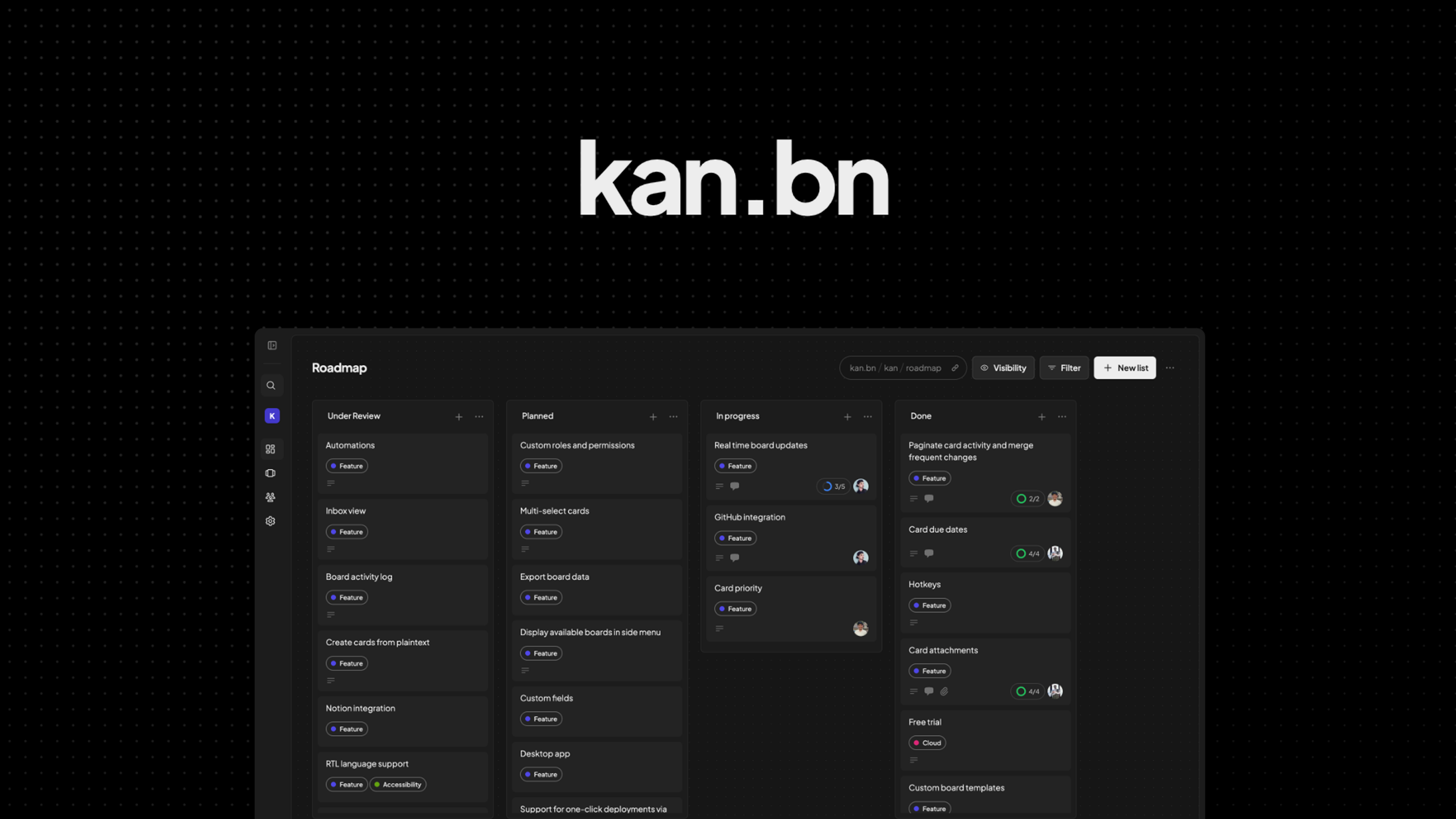
For the last 48 hours, I set up Kan on a test SaaS and pushed three mock releases. Setup took under 10 minutes. I created a workspace, added my brand assets, mapped a custom domain, and turned on the in-app widget. The flow felt smooth. The editor uses clean blocks. I could add images, tags, and callouts fast. That speed is a big pro in this Kan review.
I drafted my first changelog post with a short summary, added screenshots, and grouped it under “Improvements.” Scheduling was simple. One click published it to the updates page and the widget. I liked that I could target only “Pro” users with an announcement. That helped avoid noise. On the flip side, the default themes are minimal. They look clean, but design buffs may want deeper control over fonts and layouts. That’s a mild con to note.
Next, I set up the feedback board. Users can submit ideas and upvote. I mapped ideas to statuses like “Planned,” “In Progress,” and “Shipped.” The tight loop between ideas and updates is the core reason this Kan review is positive. It keeps everything in a single stream. However, during testing, analytics felt basic. I saw views and clicks, but I wanted cohort filters by plan and segment. Not a deal-breaker, but room to grow.
I added Slack and Zapier. New posts pinged a Slack channel, and I pushed feedback into our project management tool. This was fast to wire up. I also imported an old changelog via CSV. It worked, but image paths needed a quick fix. If you migrate from a complex system, budget an hour for cleanup.
The subscriber feature did what I hoped. Users could follow updates and get email digests. The emails were neat, with clear subject lines. I wanted more control over sender domain and email templates, though. Still, for shipping updates without friction, Kan delivers.
You may also read

ClickRank Lifetime Deal: Best Price, Features & 2026 Guide
ClickRank lifetime deal review covering price, AI SEO features, limits, optimization workflow, pros, cons, and whether the 2026 offer is worth it.

What Makes It Stand Out / Key Features
- Hosted changelog page and embeddable in-app widget for updates
- Simple feedback board with voting and status workflows
- Custom domain, branding, categories, and tags for tidy release notes
- Email subscriptions and digests for followers of your product updates
- Lightweight analytics for views, clicks, and subscriber growth
- Integrations for Slack, Zapier, and webhooks to fit your stack
- Post scheduling, draft mode, and role-based access for teams
- Rich editor with images, video/GIF support, and reusable templates
:quality(75)/https%3A%2F%2Fassets.lareviewofbooks.org%2Fuploads%2FLittle%20Pink%20Book%20HD.jpg)
What I Like
- Fast setup and clean UI that just works
- Clear link between ideas, roadmap status, and shipped updates
- In-app widget helps users see changes where they work
- Custom domain and branding help updates feel native to your product
- Easy imports and simple integrations reduce switching costs
- Solid subscriber workflow to grow an engaged audience
- Strong value for founders and small teams in this Kan review

What Can be improved
- Deeper analytics and segmentation for power users
- More theme controls for fonts, layout, and advanced CSS
- Finer email template customization and sender controls
Pricing And Affordability
Below is a snapshot of Kan pricing on the AppSumo lifetime deal. Pricing and limits can change. Check the live page for the latest details.
| Plan (LTD) | One-time Price | Admin Seats | Products/Workspaces | Subscribers | Custom Domains | Feedback Boards | In‑App Widget | Integrations | Notes |
|---|---|---|---|---|---|---|---|---|---|
| Tier 1 | $39 | 1 | 1 | 2,000 | 1 | 1 | Yes | Slack, Zapier, Webhooks | Unlimited posts |
| Tier 2 | $79 | 3 | 3 | 10,000 | 3 | 3 | Yes | Slack, Zapier, Webhooks | Priority email support |
| Tier 3 | $119 | 10 | Unlimited | 25,000 | 5 | Unlimited | Yes | Slack, Zapier, Webhooks | Advanced permissions |

Why should you buy Kan
If you need a clear, fast way to publish product updates, Kan hits the mark. In this Kan review, I found the setup quick, the editor smooth, and the in-app widget effective. You get a hosted changelog, a feedback loop, and basic analytics without heavy lift. Founders, PMs, and indie makers can keep users engaged, reduce support tickets, and show momentum. The AppSumo lifetime deal makes the math easy if you plan to run updates for years. If you want less tool sprawl and a single home for releases, Kan is a smart buy.

Lifetime Deal Overview of Kan
| Item | Detail |
|---|---|
| Deal type | Lifetime access via AppSumo |
| Redemption | Code(s) redeemable on Kan’s site |
| Stacking | Tier-based; higher tiers unlock more limits |
| Updates | All future plan updates for the purchased tier |
| Refund window | 60-day AppSumo guarantee |
| Usage limits | Based on tier (admins, products, subscribers, domains) |
| Support | Email support; priority on higher tiers |
| Compliance | Custom domain, GDPR-friendly settings, subscriber consent tools |
Comparison With Competitors of Kan
| Tool | Best For | Pricing Model | In‑App Widget | Feedback/Voting | Custom Domain | Email Digests | Notable Edge |
|---|---|---|---|---|---|---|---|
| Kan | Startups, indie makers, lean product teams | Lifetime (AppSumo) | Yes | Yes | Yes | Yes | Simple, fast, affordable |
| Beamer | Growth-stage SaaS | Subscription | Yes | Limited (add‑ons) | Yes | Yes | Mature ecosystem |
| AnnounceKit | Product marketing teams | Subscription | Yes | Optional | Yes | Yes | Advanced segmentation |
| ProductLift | Roadmap + updates | Often LTD cycles | Yes | Yes | Yes | Yes | Strong roadmap views |
| Headway | Public changelogs | Subscription | Widget-lite | No | Yes | No | Beautiful public pages |
You may also read
KingSumo Review: Features, Pricing, Pros & Cons 2026
KingSumo review covering giveaway features, viral referrals, pricing, pros, cons, integrations, and whether the AppSumo lifetime deal is worth it in 2026.
FAQ Of The Kan review
Is Kan hard to set up?
No. In my Kan review, setup took under 10 minutes. Add your brand, write a post, and publish.
Can I use my own domain for the changelog?
Yes. You can add a custom domain so updates look native to your product.
Does Kan support an in-app updates widget?
Yes. You can embed a widget so users see product updates inside your app.
Can users subscribe to updates by email?
Yes. Users can follow your product updates and get email digests.
What integrations does Kan offer?
You can connect Slack, Zapier, and webhooks to send events to your stack.
Conclusion
Kan is a focused tool that helps you share product updates, collect feedback, and keep users engaged. It avoids bloat, ships fast, and offers strong value on a lifetime deal. If you need a simple changelog and widget with enough power to grow, Kan is easy to recommend. In this Kan review, the pros beat the cons for most startups and solo founders. If you want clear product updates without a heavy system, Kan is a smart pick.
Related workflow and productivity reviews
Use these related articles to compare workflows, pricing, and practical buying fit before making a decision.
For additional context, see the Atlassian guide to kanban.