

scan GitHub repos is the core topic of this updated guide. This How to Scan GitHub Repos for Vulnerabilities With Rafter article now opens with the target phrase clearly, then keeps the rest of the analysis focused on practical value, decision points, and next steps.
Scan GitHub repos for vulnerabilities with Rafter if you want a faster way to catch risky dependencies, exposed secrets, and insecure code patterns before they reach production. This Rafter guide explains how to scan GitHub repos, connect GitHub, use pull request checks, and review whether the AppSumo deal is worth considering.
Rafter is built for developers, founders, agencies, and small security teams that need practical GitHub security without a heavy enterprise setup. The workflow is simple: connect your repositories, run a baseline vulnerability scan, review severity-ranked findings, fix the highest-risk issues, and keep new problems out with automated PR checks.
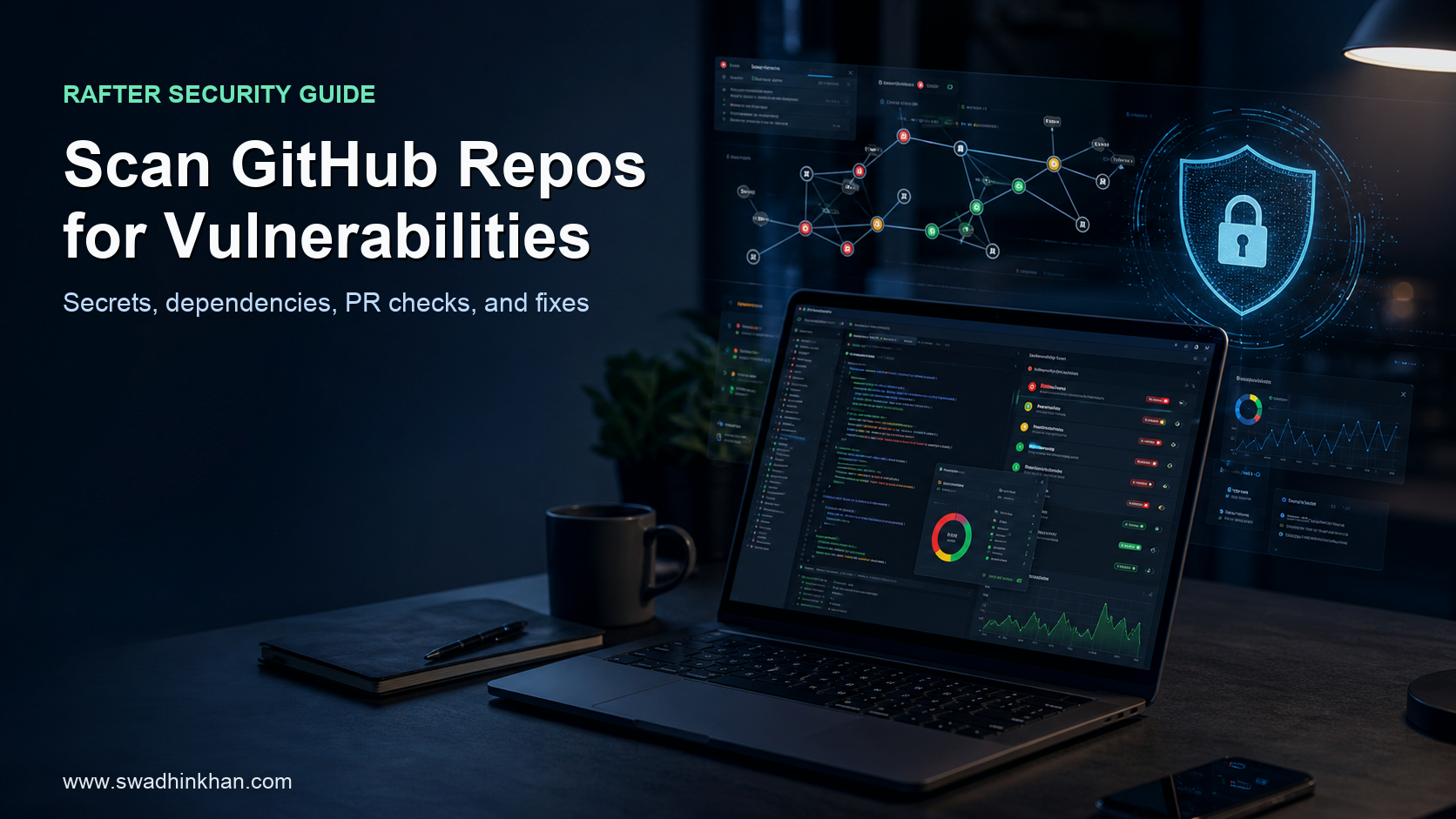
Scan GitHub Repos for Vulnerabilities: Quick Rafter Workflow
- Connect GitHub: authorize the repositories or organizations you want Rafter to review.
- Run a baseline scan: check dependencies, secrets, and risky code patterns.
- Prioritize findings: sort by severity, affected repo, and fix guidance.
- Enable PR checks: block new secrets or vulnerable packages before merge.
- Monitor continuously: use alerts, ignore rules, reports, and scheduled scans.
Scan GitHub Repos With Rafter: Security Checklist
When you scan GitHub repos, prioritize exposed secrets, vulnerable dependencies, risky code patterns, and pull request checks. Rafter keeps this workflow lightweight so teams can scan GitHub repos continuously without adding a heavy security process.
What Is Rafter GitHub Security Scanner?
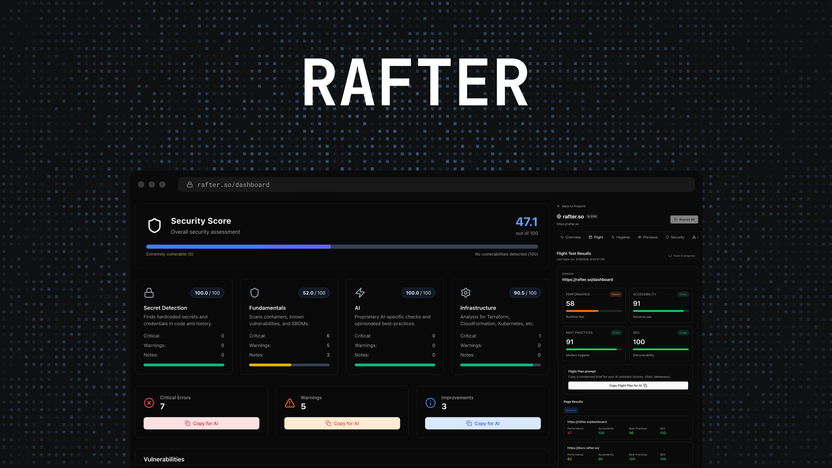
Rafter is a GitHub security scanner built to find vulnerabilities, exposed secrets, and risky dependencies in your repositories. It connects to your GitHub account, scans code and dependency files, and flags issues with practical fixes. Rafter aims to reduce noise, add pull request checks, and make continuous security easy for everyday development.
Rafter Guide: My GitHub Vulnerability Scan Walkthrough
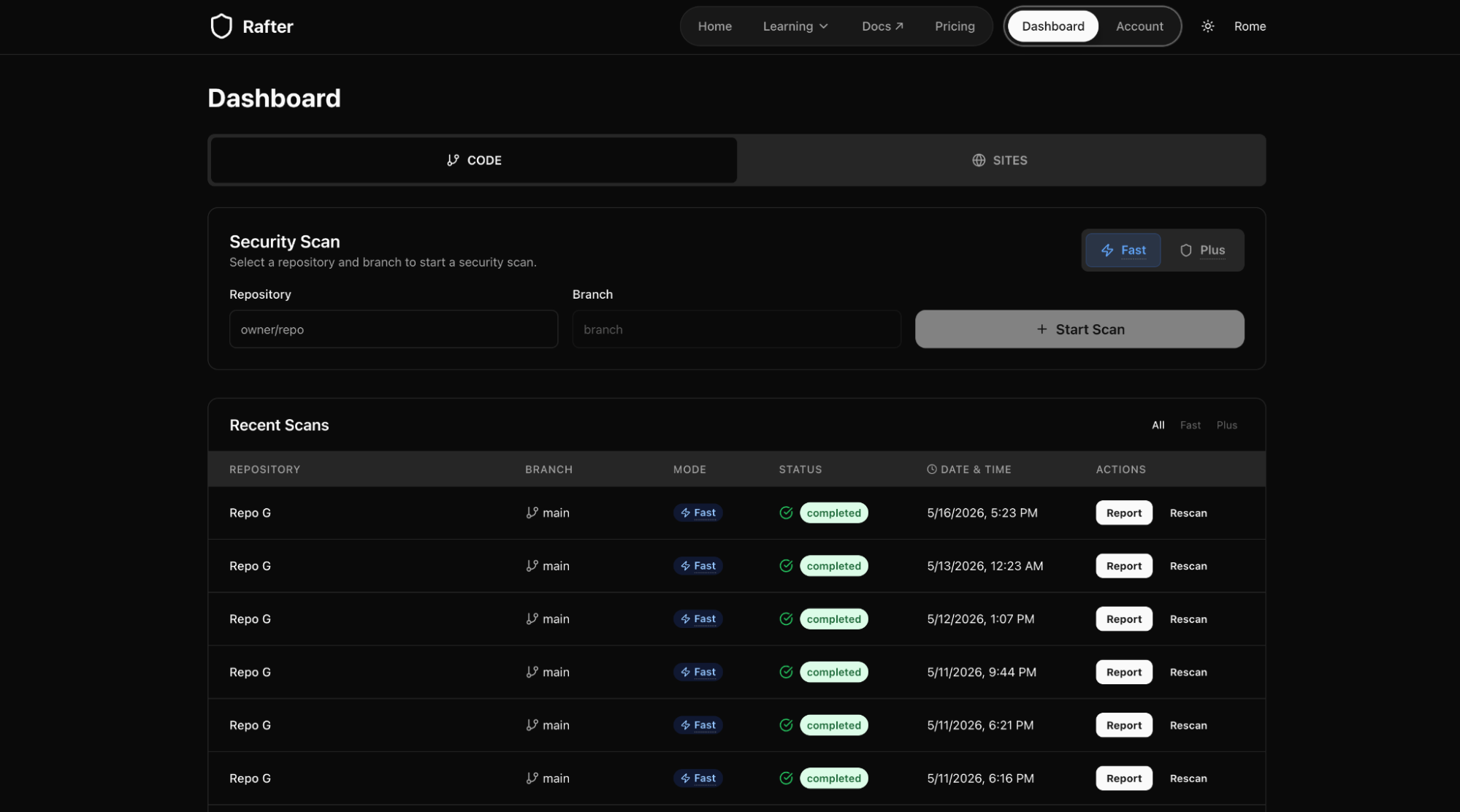
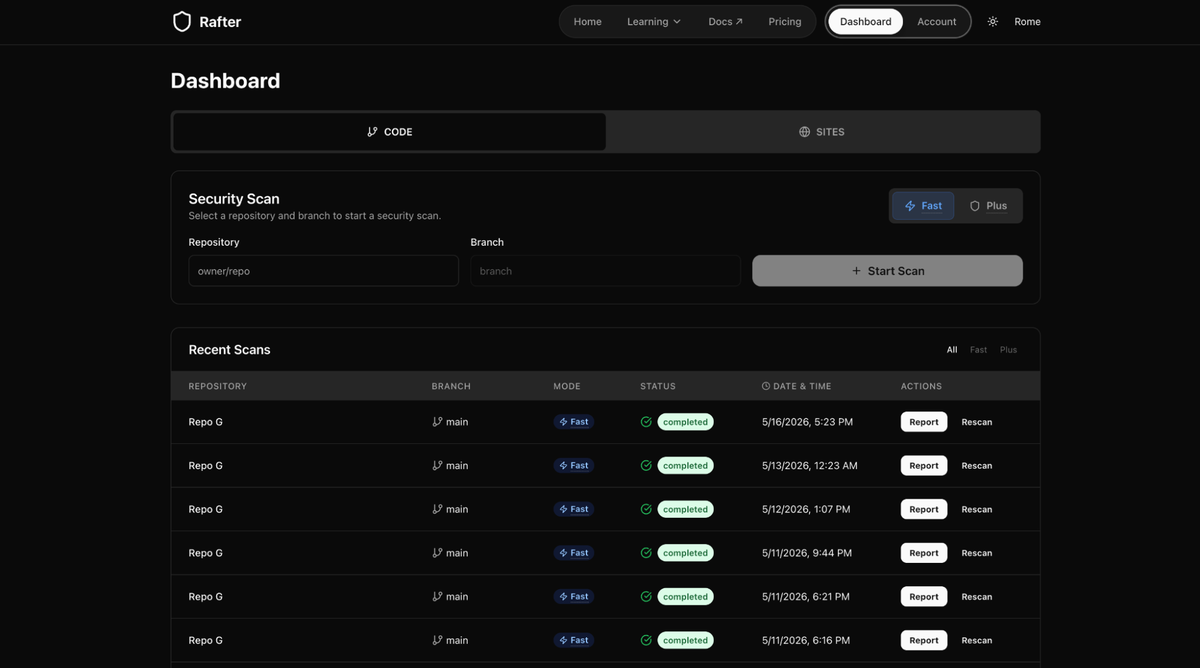
For the last 48 hours, I ran Rafter against a mix of personal and work repos. Setup took me under five minutes. I signed in, authorized GitHub, and picked the orgs and repos to scan. No strange permissions. The default scopes felt right for read-only scanning.
My first baseline scan started at once. Within minutes, Rafter highlighted a few high-risk items. One was a hardcoded token in an old test file. The secret detector caught it with a precise match. That saved me real time. It also flagged outdated packages with known CVEs. I liked that it suggested safe upgrade ranges. It linked to the advisory and showed severity, so triage was quick. This is a big pro.
I turned on pull request checks next. Every new PR ran a fast scan. If a commit added a vulnerable package or a secret, the check failed with a clear message. That kept risk out of main. I love this as a “shift left” gate.
Noise control was solid. I muted a known false positive and set a rule to ignore vendor folders. The UI made it simple. One con I hit: some niche config files triggered generic warnings. I could tune them out, but it took a few clicks. Not a dealbreaker.
You may also read
WP Security Ninja Review: WordPress Security Verdict
WP Security Ninja review for WordPress owners. See security checks, firewall features, malware scanning, pricing, pros, cons, and AppSumo deal fit.
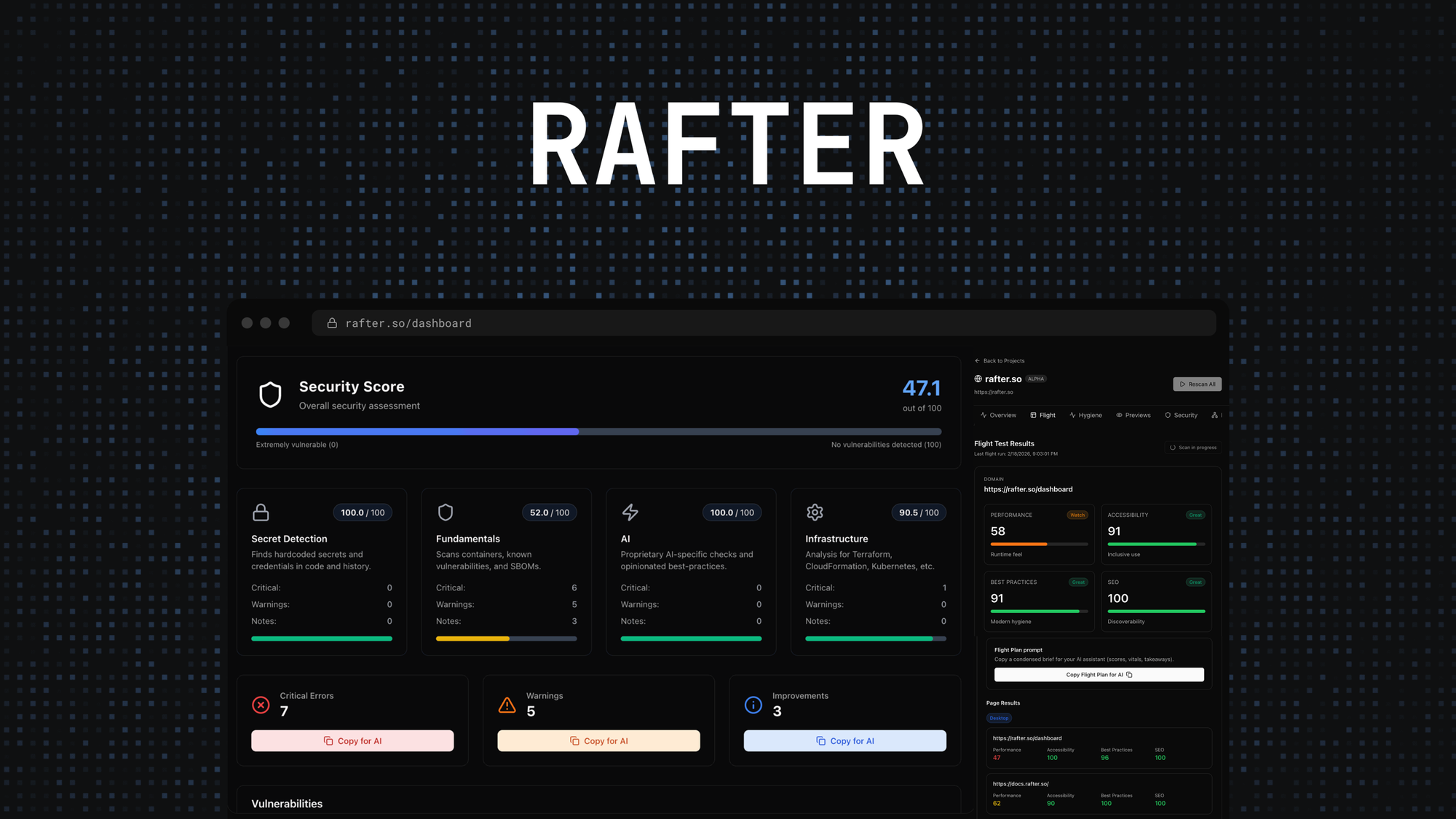
I tested alerts too. Email alerts arrived fast when a critical hit showed up. Integration options covered my needs, and webhooks let me push alerts elsewhere. I exported a report for a client audit. The summary was clean, and it grouped issues by repo and severity. Another strong pro.
In short, learning How to Scan GitHub Repos for Vulnerabilities With Rafter felt natural. Connect GitHub, run the first scan, turn on PR checks, set rules, and chip away at high and critical items. If you want a crisp flow for How to Scan GitHub Repos for Vulnerabilities With Rafter, that is it. It is quick, clear, and keeps teams safe without slowing the dev loop.

Rafter Features for GitHub Vulnerability Scanning
- One-click GitHub connection with smart repo selection and safe, read-only scopes
- Continuous scanning on push, pull request, and schedule for steady coverage
- Secret detection for API keys, tokens, and credentials with low false positives
- Dependency and vulnerability checks mapped to common advisories with fix guidance
- Pull request status checks to block risky changes before they merge
- Triage tools: severity filters, mute/ignore rules, and searchable audit trail
- Alerting via email and webhooks; easy exportable reports for stakeholders
- Team roles and permissions for safe collaboration across many repos
- Optional policy rules so teams can enforce secure defaults at scale
- Clear, fast UI that suits solo devs, startups, and agencies alike
What I Like About Rafter
- Very fast first scan and clear onboarding steps
- Actionable fixes with version ranges and simple commands to upgrade
- Strong PR checks that prevent risky merges by default
- Secret scanning that actually catches real keys without flooding me
- Easy report exports for audits and client updates
- Noise control through ignores, folders, and severity filters
- Helpful dashboard that makes “what to fix next” obvious
- Good value for a GitHub security scanner on a lifetime deal
What Could Be Improved in Rafter
- Deeper language and framework coverage for edge cases
- More native integrations (for example, direct Microsoft Teams or Jira apps)
- Self-hosted or on-prem option for strict environments

Rafter Pricing and AppSumo Deal Value
Below is a simple view of how plans are structured. Pricing and exact limits can change. Always check the live AppSumo page for current details.
| Plan | Best For | Repo Limits | Seats | Scan Triggers | Notable Extras | Price |
|---|---|---|---|---|---|---|
| Tier 1 | Solo developers | As listed on AppSumo | As listed | Push/PR/Schedule | Reports, alerts | See AppSumo page |
| Tier 2 | Small teams | As listed on AppSumo | As listed | Push/PR/Schedule | Advanced triage | See AppSumo page |
| Tier 3 | Growing teams | As listed on AppSumo | As listed | Push/PR/Schedule | Extra integrations | See AppSumo page |
| Agency/High Tier | Agencies and MSPs | As listed on AppSumo | As listed | Push/PR/Schedule | Multi-client support | See AppSumo page |
You may also read

KingSumo Review: Features, Pricing, Pros & Cons 2026
KingSumo review covering giveaway features, viral referrals, pricing, pros, cons, integrations, and whether the AppSumo lifetime deal is worth it in 2026.
I recommend matching your tier to two things: number of active repos and who needs access. If you scan on every PR, be sure the seat and repo caps match your workflow. When you plan How to Scan GitHub Repos for Vulnerabilities With Rafter across an org, do not starve your team of seats.
Should You Buy Rafter to Scan GitHub Repos?
If you care about practical GitHub security with low setup time, Rafter hits the mark. It makes scans simple to start and simple to keep. The PR check is the quiet hero. It stops leaks and vulnerabilities before they land in main. The reports are clear. The alerting is fast. Tuning rules is easy. I also like that How to Scan GitHub Repos for Vulnerabilities With Rafter does not require you to change your dev flow. You plug it in and keep coding. As a lifetime deal on AppSumo, the value is strong for solo devs, startups, and agencies who want predictable cost and steady coverage.
Lifetime Deal Overview of Rafter
| Item | Details |
|---|---|
| Access | Lifetime access to the plan tier you redeem |
| Updates | Future updates to the same plan level per AppSumo terms |
| Redemption | Redeem within the window stated on the deal page |
| Refund | 60‑day money‑back guarantee from AppSumo (standard policy) |
| Stacking | Code stacking availability depends on the live listing |
| Account Limits | Repo and seat limits tied to the tier you purchase |
| Usage Rights | Commercial use allowed; comply with GitHub and Rafter terms |
Comparison With Competitors of Rafter
| Product | Pricing Model | Setup Time | PR/Commit Checks | Secret Scan | Dependency Scan | Self-Hosted Option | Best For |
|---|---|---|---|---|---|---|---|
| Rafter | AppSumo lifetime deal tiers | Very fast | Yes | Yes | Yes | Not typical for LTD tools | Solo devs, small teams, agencies |
| GitHub Advanced Security | Add-on per seat | Native to GitHub | Yes | Yes | Yes (Dependabot, review) | N/A (GitHub-hosted) | Teams on GitHub Enterprise |
| Snyk Open Source | Subscription per seat | Fast | Yes | Yes | Yes (strong SCA) | Limited on self-host | SaaS-first teams needing deep SCA |
| Semgrep (Code) | Free + paid tiers | Fast | Yes | Via rules/partners | Limited SCA; strong SAST | Self-host for Enterprise | Custom rule lovers, security teams |
Rafter FAQ: Scan GitHub Repos for Vulnerabilities
How do I get started and connect my repos?
Sign up, authorize GitHub, and pick repos. Start the baseline scan. Then turn on PR checks. That is the core of How to Scan GitHub Repos for Vulnerabilities With Rafter.
Does Rafter scan private repositories?
Yes, once you grant permission, it scans private repos with read-only access. This is key to How to Scan GitHub Repos for Vulnerabilities With Rafter in real teams.
Will scans slow my CI/CD pipeline?
In my tests, scans were fast and PR checks completed quickly. You can tune when scans run to reduce friction.
Can I mute false positives?
Yes. You can ignore files, folders, or specific rules. This keeps results focused and improves How to Scan GitHub Repos for Vulnerabilities With Rafter over time.
You may also read
SalesBlink Review: Features, Pricing, Pros & Cons 2026
SalesBlink review covering multichannel outreach, email sequences, lead generation, pricing, pros, cons, and whether the AppSumo deal fits your team.
What if my team needs alerts?
Enable email alerts or use webhooks to route to your tools. That way you learn about critical hits at once.
Related Security and AI Tool Guides
If you are comparing tools for technical workflows, read my WP Security Ninja review and SnowSEO review. For broader dependency-risk context, review the OWASP Top 10 and GitHub’s code security documentation.
Rafter Guide Conclusion
Rafter makes GitHub security scanning simple, fast, and useful. It finds the issues that matter, tells you how to fix them, and blocks risky merges. If you want a clean path for How to Scan GitHub Repos for Vulnerabilities With Rafter, this is it: connect, scan, enforce PR checks, and tune noise. For many teams, the AppSumo lifetime deal gives strong value and steady protection. If you are ready to secure your repos without heavy lift, Rafter is a smart pick.